THE STRATEGIC SHIFT
Senior EA Leadership
There's a moment in every Senior EA's career where she realizes she's leading - but no one has given her the title, the authority, or the compensation that goes with it. She's managing up. She's managing across. She's influencing decisions, shaping executive behavior, and holding organizational knowledge that no one else possesses. But because her job title says "assistant," the organization categorizes her contributions as support rather than leadership.
Beyond Tactical Training
Why Traditional EA Training Fails Senior EAs
Traditional EA training programs are designed for EAs who are learning the fundamentals: calendar management, travel coordination, inbox efficiency, meeting logistics, and professional communication. These are essential skills - at the entry and mid-career level. For a Senior EA who has been executing at a high level for five or more years, a training program that teaches calendar management is not development. It's regression.
The gap in the market is specific and consequential. Senior EAs who have mastered the operational layer of their role need development in an entirely different domain: strategic influence, executive psychology, organizational politics, professional positioning, and leadership without formal authority. These are the capabilities that separate a high-performing Senior EA from a Strategic Assistant - and they're almost entirely absent from the traditional EA training ecosystem.
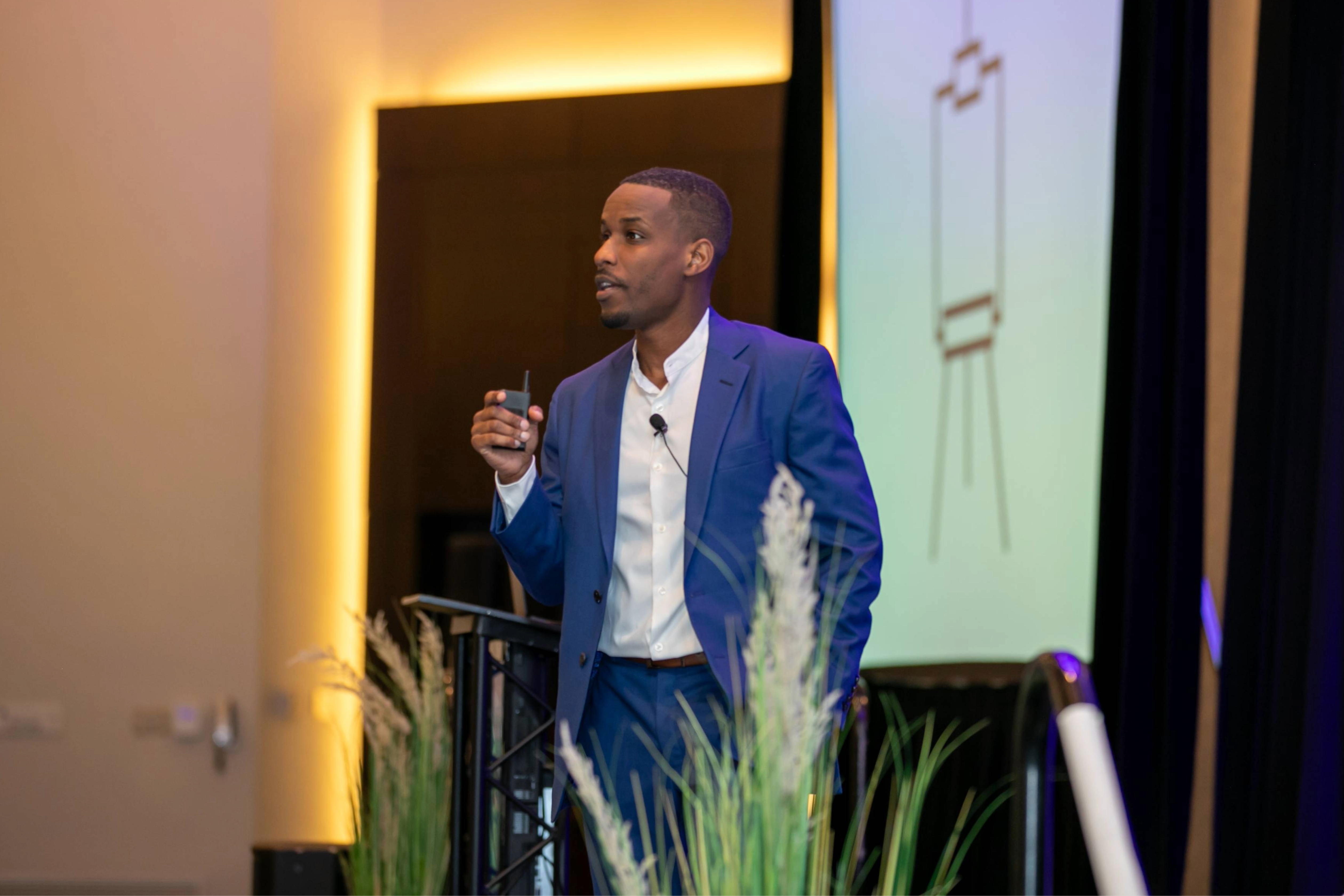
"The EA profession has an overtraining problem at the tactical level and a catastrophic undertraining problem at the strategic level. We keep teaching Senior EAs how to manage task, when what they actually need is to learn how to manage their executive, their value, and their career."
Joshua Washington
Organizational Psychologist and founder of EA:Pros
The Power Of Influence

1. Managing Up: The Executive Partnership
Managing up is the most misunderstood skill in the EA profession. It doesn't mean managing your executive's tasks. It means managing the relationship — shaping how your executive perceives your role, how they use your capabilities, and how they advocate for you in conversations you're not part of.
Effective managing up requires three things: understanding your executive's decision-making style (are they data-driven, intuition-driven, or consensus-driven?), anticipating their needs before they articulate them (the hallmark of a Strategic Assistant), and proactively surfacing information they need rather than waiting to be asked.
The most common mistake Senior EAs make in managing up: treating every executive the same way. An executive who wants to see data before making a decision needs a different partnership approach than one who wants a recommendation and the freedom to override it. The organizational psychology behind this is straightforward: match your communication style to their cognitive style, and your influence multiplies.
2. Influence Without Authority
Senior EAs exercise influence across the organization in ways that most people — including the EAs themselves — don't recognize as leadership. When you redirect a meeting because you know the timing is wrong, you're exercising influence. When you shape an agenda because you know which topics will derail the conversation, you're exercising influence. When you connect two stakeholders because you see a collaboration opportunity no one else has spotted, you're exercising influence.
The difference between Senior EAs who are recognized as influential and those who aren't is visibility. The influential EA makes her contributions known — not by broadcasting, but by being present in strategic conversations, sharing her perspective when it's relevant, and building relationships with leaders outside her direct reporting line.
- Request a seat in one cross-functional meeting per quarter where your perspective adds value.
- When your judgment call prevents a problem, mention it — not as bragging, but as a data point in your ROI tracking.
- Build relationships with 3-5 senior leaders outside your immediate team so your contributions have witnesses beyond your executive.

Redefining The Standard
Mastering Intelligence
3. Organizational Intelligence
Senior EAs possess something no AI tool, no new hire, and no outside consultant can replicate: deep organizational intelligence. You know who actually makes decisions (versus who has the title). You know which relationships are fragile. You know which initiatives are thriving and which are quietly failing. You know the culture — not the values on the wall, but the actual behavioral patterns that shape how work gets done.
This intelligence is enormously valuable and almost entirely unmonetized. Most Senior EAs carry this knowledge silently, deploying it to prevent problems and smooth operations without ever getting credit for the institutional memory they hold.
Leadership at this level means using your organizational intelligence proactively: surfacing patterns that leadership should know about, flagging risks that aren't on anyone's radar, and providing context that improves decision quality. When you do this consistently, you transition from "the person who knows everything" to "the person whose judgment we rely on" — and that's the shift that changes your career level and your compensation.


4. Boundary Setting and Workload Ownership
Leadership includes knowing when to say no — or more precisely, knowing how to say "not this, and here's why." Senior EAs who absorb every request without pushback aren't demonstrating strength. They're demonstrating a lack of boundaries that eventually leads to burnout, invisible overwork, and strategic work that never gets done because reactive work fills every hour.
Setting boundaries as a Senior EA requires reframing the conversation from "I can't do this" to "Here's what completing this would displace, and here's my recommendation on priority." This positions you as a strategic thinker, not a complainer. It also forces the conversation that most organizations avoid: your role has expanded beyond its original scope, and something has to give.
5. Professional Brand and External Positioning
The final leadership competency is the one most Senior EAs neglect entirely: building a professional brand that exists independently of your current employer. Your reputation, your network, your expertise, and your visibility in the broader EA community — these are career assets that compound over time and create optionality.
A strong professional brand means you're known beyond your immediate team. Other EAs seek your advice. You're invited to speak at or attend professional events. Your LinkedIn profile reflects strategic positioning, not just employment history. If you left your current role tomorrow, you'd have multiple options within weeks — not because you're looking, but because your reputation precedes you.
Investing in your external brand isn't disloyalty to your employer. It's professional maturity. It's also the clearest signal to your current organization that you're a professional who takes her career seriously — and professionals who take their careers seriously are the ones who get invested in, promoted, and compensated at the Strategic Assistant tier.

FROM SUPPORT TO STRATEGIC PARTNERSHIP
The Mindset Shift
The biggest barrier to Senior EA leadership isn't skill — it's identity. If you see yourself as a support professional, every action you take will be filtered through that lens. You'll wait for direction instead of taking initiative. You'll describe your work in task language instead of impact language. You'll undervalue your contributions because the organizational system taught you to.
This mindset shift isn't optional for Senior EAs who want to advance beyond the plateau. It's the foundation of every other leadership competency on this page.

The shift from support identity to strategic partnership identity changes everything. It changes how you communicate ("I optimized executive time allocation" vs. "I managed the calendar").
It changes how you negotiate ("my market value based on role complexity is X" vs. "I'd like a raise").
It changes how you show up ("I recommend we restructure this process" vs. "whatever you think is best").
Building Your Plan
Your Development Roadmap
Identify your gap. Most Senior EAs are strong in 2-3 competencies and underdeveloped in 1-2. The most common gap is external brand — the competency that feels least urgent but has the highest long-term career impact. The second most common gap is boundary setting, which directly affects workload sustainability and strategic capacity.
Assess Where You Are
The Strategic Readiness Assessment evaluates your current positioning across the leadership competencies. The Career Ascension Map shows where you fall in the career progression from Senior EA to Strategic Assistant.
Strategic Micro-Intensive
For Senior EAs ready for structured development, the Strategic Assistant Micro-Intensive provides focused skill-building in a community format. Build deliberately to bridge your specific competency gaps.
Master Strategy Class
For those ready for the full transformation, the ElevateEA Master Strategy Class is the comprehensive program — frameworks, positioning strategy, negotiation preparation, and the Certified Strategic Partner credential.
COMMON QUESTIONS
Leadership Clarity
We understand that stepping into strategic leadership without formal authority can raise questions. Here is clarity on navigating influence, boundaries, and executive partnership.
How do I manage up without overstepping?
Managing up isn't overstepping - it's professional responsibility. The key is framing your contributions as recommendations rather than directives. "Based on what I'm seeing, I'd recommend we restructure this meeting" is managing up. "We should cancel this meeting" without context is overstepping.
My executive doesn't recognize my strategic contributions. What do I do?
Start by making them visible. Present a quarterly ROI summary that quantifies your impact. Your executive may not recognize your strategic work simply because no one has ever presented it in a format they can see.
I've been a Senior EA for 5+ years. Am I too late to develop leadership skills?
No. Most Senior EAs have been exercising leadership skills for years without calling them that. The development work isn't learning new skills - it's recognizing, formalizing, and positioning the strategic capabilities you already have.
How do I build influence without a leadership title?
Through contribution, not title. Leaders are people who shape outcomes, regardless of where they sit on the org chart. Build relationships with senior leaders, contribute perspectives in strategic conversations, and track the impact of your judgment calls.
NEXT STEPS
Own Your Trajectory
This guide is part of the Senior EA Leadership series from EA-Pros. For the complete development framework, download the Senior EA Development Guide. For structured leadership development, explore the ElevateEA Master Strategy Class.